
Kitchen Cabinet Hardware: Small Details with Big Impact
Hardware is the jewelry of your kitchen, but it is also the mechanical system that makes your cabinets work. Getting it right involves more than choosing a finish—it means selecting components that are durable, ergonomic, and sized for your specific layout.
Call now for service availability. Please have your 5-digit ZIP code ready.
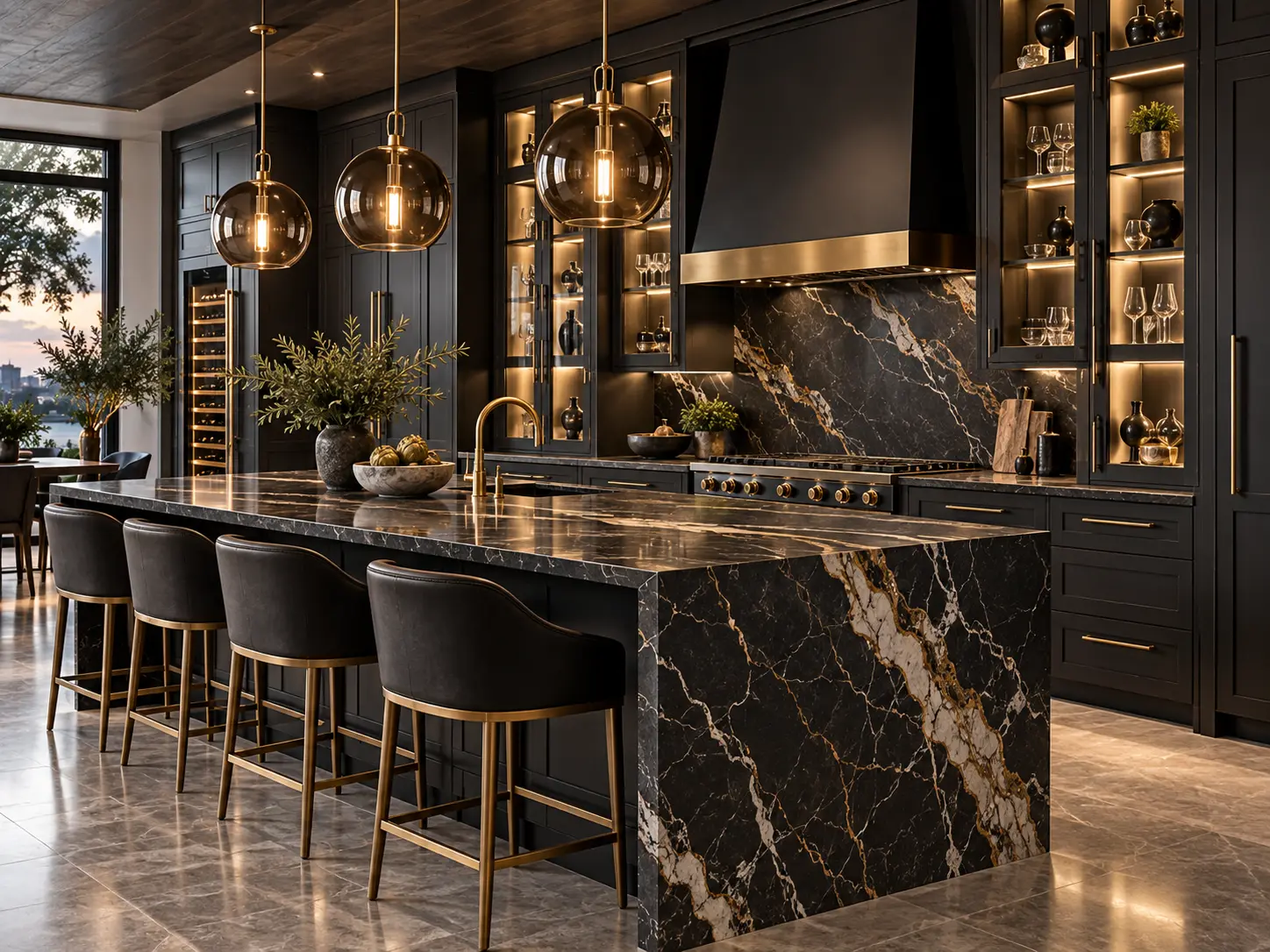
Knobs vs. Pulls
The ergonomics of hardware
The debate between knobs and pulls is partly about aesthetic, but mostly about function. Knobs are the quintessential choice for doors — they take up little visual space and allow a simple grip for lighter-duty openings. In traditional or cottage-style kitchens common in historic areas of Hollywood, they provide a clean, uncluttered look.
Pulls, on the other hand, provide leverage. A large, heavy drawer—like one storing pots, pans, or heavy dinnerware—requires a pull that you can comfortably grip with your hand, not just your fingertips. For tall pantry cabinets, pulls are almost always preferred for the same reason. A common, practical strategy in custom kitchens is to use knobs on cabinet doors and pulls on all drawer fronts. This keeps the look balanced while maximizing function in the areas that see the most use.
Coastal Considerations
Choosing finishes that survive the salt air
Living in South Florida means dealing with salt-laden air and high humidity, which can be brutal on hardware. Not all finishes are created equal. Avoid inexpensive, thin electroplated finishes; they can oxidize, discolor, or peel when exposed to moisture over time.
For coastal homes, look for high-quality materials. Solid brass, stainless steel, and high-grade nickel finishes generally perform the best. These materials are inherently more resistant to corrosion, and if they are finished correctly with a durable clear coat, they will retain their appearance for years. When reviewing a quote, ask about the base material and the finish quality — not just the look. A slightly higher upfront investment in better-grade hardware will save you from having to replace pitted or discolored knobs and pulls a few years down the line.
Mechanisms
Soft-close hinges and drawer slides
The hardware you don't see is just as important as the hardware you do. Modern cabinet design almost universally relies on soft-close systems. These internal hydraulic dampers prevent drawers and doors from slamming, which reduces wear and tear on the cabinetry itself.
Beyond the noise reduction, soft-close drawer slides are usually full-extension, meaning they pull out completely, allowing you to access the items at the very back of the drawer. This is a massive upgrade over older center-mount slides that only pull out partially. For a custom installation, ensure your hardware selection includes commercial-grade hinges and slides that are rated for your specific door weights and drawer loads.
Sizing
Getting the scale right
Hardware scale is often overlooked. A tiny knob on a 36-inch wide drawer will look out of place and be difficult to use. Conversely, a massive handle on a small door will overwhelm the design.
As a general rule: match the length of the pull to the drawer width. For small drawers under 18 inches, a 4-inch pull is usually standard. For standard 24–30 inch drawers, 6–8 inch pulls look proportionate and offer the right leverage. For large drawers 36 inches or wider, a very long handle or two smaller ones are often necessary. If you choose pulls, remember that you are drilling permanent holes, so settle on a center-to-center measurement you are confident about before the installation team begins their work.
Answers
Frequently Asked Questions
- Should I choose knobs or pulls for my kitchen cabinets?
- Knobs are often a better fit for smaller drawers and doors, offering a simple, classic look. Pulls are generally more ergonomic, easier to grip, and better suited for heavy drawers or large pantry doors. Mixing both is common: knobs for doors and pulls for drawers.
- How do I choose a finish that lasts in Hollywood, FL?
- In South Florida, humidity and salt air can accelerate corrosion. Look for high-quality plated finishes like satin brass, nickel, or stainless steel with a protective lacquer. Avoid cheap, thin electroplated finishes that can flake or oxidize quickly near the coast.
- What are the benefits of soft-close hinges and drawer slides?
- Soft-close mechanisms prevent cabinets from slamming, reducing noise and wear on the box and finish. They also ensure drawers fully close every time, which is essential for maintaining the clean, tailored look of a custom kitchen.
- How do I determine the right size for drawer pulls?
- Scale is key. For drawers over 24 inches wide, consider pulls at least 6–8 inches long to provide adequate leverage. For a sleek, modern aesthetic, many homeowners choose pulls that span a significant portion of the drawer width, providing a continuous line.
- Can I replace cabinet hardware later if I change my mind?
- Yes, provided you haven't drilled the doors yet. If you choose single-hole knobs, you can easily swap them later. However, if you choose pulls that require two holes, you are locked into that specific measurement (center-to-center distance) unless you fill and refinish the doors.
Planning New Kitchen Cabinetry?
Talk through your layout, storage priorities, cabinet level and finishes before you commit to a budget.
Call now for service availability. Please have your 5-digit ZIP code ready.